Paracas
Paracas beaches guide: red sand, sea lions and the best seafood on Peru's coast
Red cliffs, calm coves, sea lions and Humboldt penguins, all a short drive from Pisco Airport. Here is how to enjoy Paracas and pair it with a flight over the Nazca Lines.

In this article
A desert that runs straight into the Pacific. Ochre cliffs, turquoise water, a beach with red sand and pelicans gliding a few meters above the waves. That is Paracas, and it sits only a few hours south of Lima.
Most people come for a weekend of sun and seafood. We think it deserves a bit more planning, because the best spots are spread across a huge reserve and the boat tours run on a schedule. This guide covers the beaches worth your time, the Ballestas Islands, what to eat and how to add a Nazca Lines flight from Pisco to the same trip.
Where Paracas is and how to get there
Paracas is a small beach town on a bay of the same name, in the Ica region. It is roughly 250 km south of Lima along the Pan-American Highway, which usually means 3.5 to 4 hours by car or bus, depending on traffic leaving the capital.
The town itself is compact: a pier called El Chaco, a waterfront lined with restaurants, a handful of hotels and resorts, and that is about it. The real show starts a few minutes south, where the Paracas National Reserve begins.
Pisco Airport is only about 20 minutes away. That is great news if you also want to see the Nazca Lines, because our flights from Pisco take off right there (more on that below).
Paracas National Reserve: the beaches you should not skip
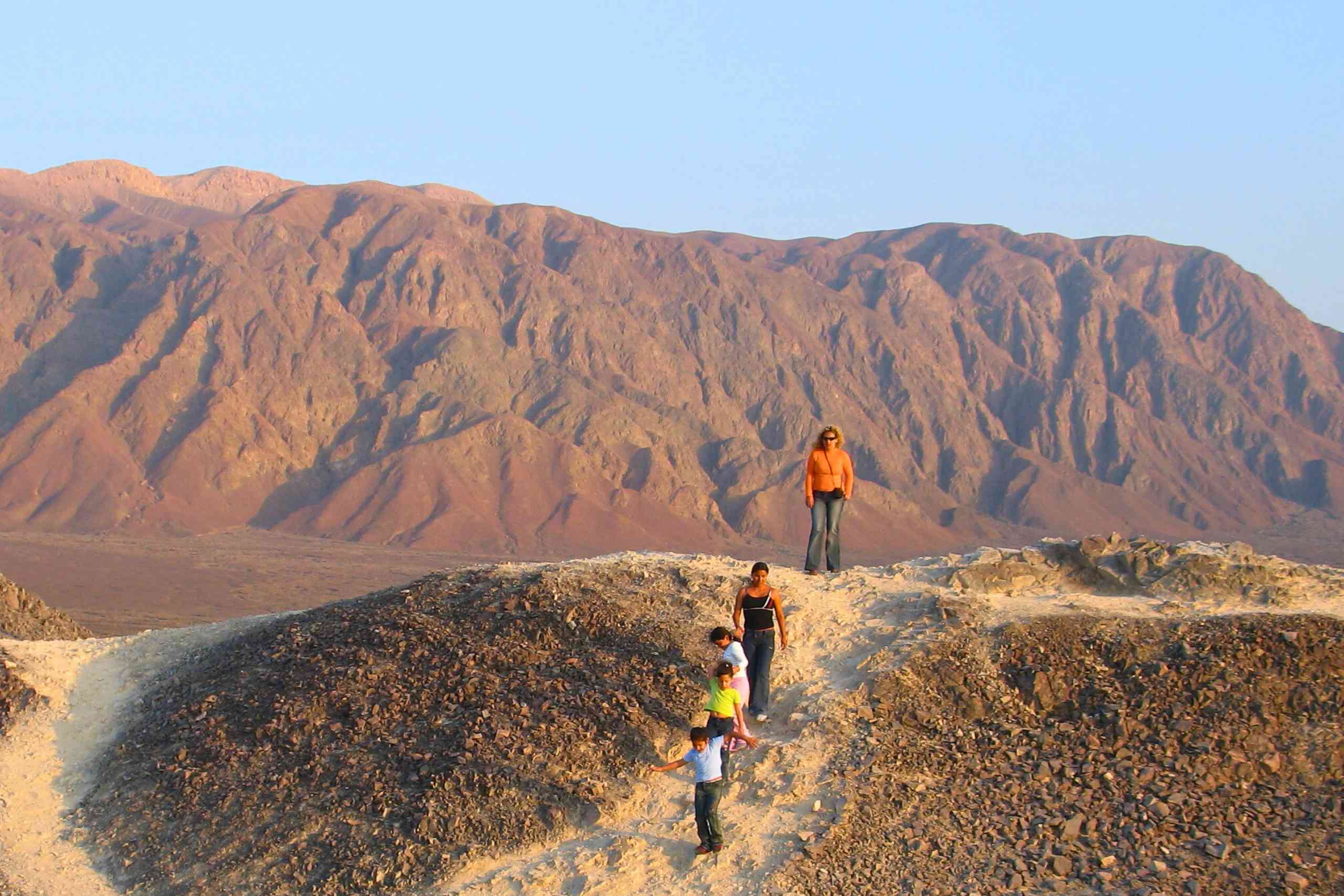
The Paracas National Reserve was created in 1975 to protect this stretch of desert and sea, and most of its area is actually ocean. On land you get dunes, cliffs, salt flats and a string of beaches connected by dirt and paved roads. There is an entrance fee at the gate, and you will want a car, a taxi or a tour to move around.
The reserve also gave its name to the Paracas culture, famous for its woven textiles. The Julio C. Tello Site Museum near the entrance is a quick, worthwhile stop if you want some context before hitting the beaches.
Playa Roja (Red Beach)
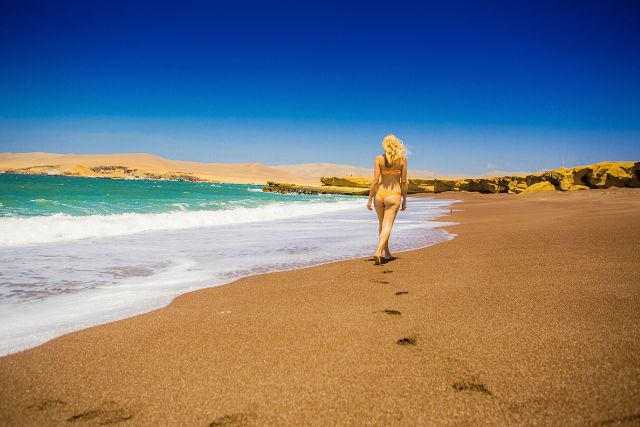
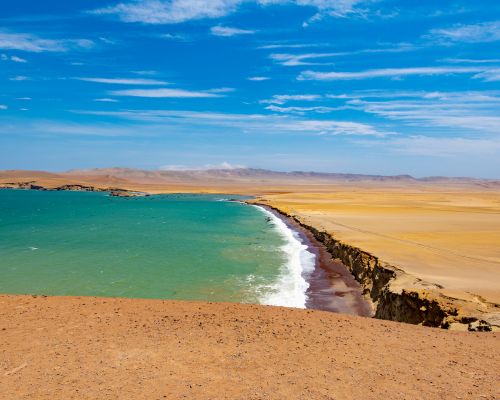
This is the photo everyone wants. The sand here is a deep reddish color, eroded from the rock of the surrounding cliffs, and it contrasts with the blue green water in a way that looks edited even when it is not.
Playa Roja is a viewing beach, not a swimming one. You take it in from the lookout on the cliff above, which honestly is the best angle anyway. Go in the morning, when the light is softer and the wind is still calm.
La Mina
If you want to actually get in the water, La Mina is the usual pick. It is a small, sheltered cove with light sand and calmer water than the open beaches. On summer weekends (January to March) it fills up fast, so arrive early.
One honest warning: the Humboldt Current keeps the sea cold all year. It is refreshing on a hot day, but do not expect Caribbean temperatures.
Lagunillas
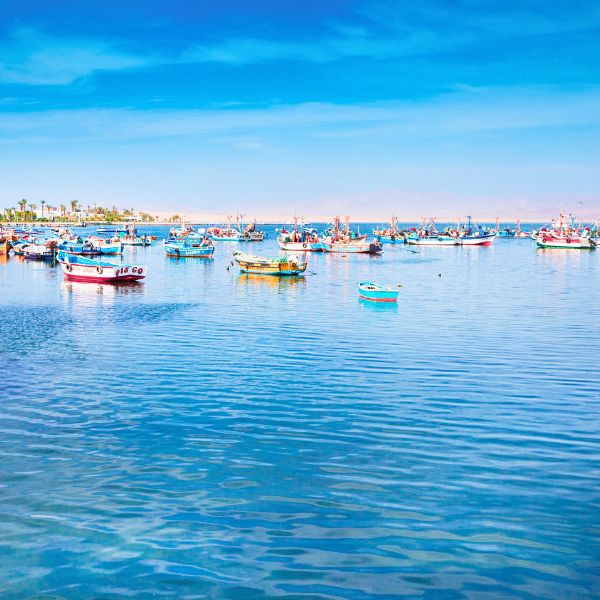
Lagunillas is a tiny fishing cove with a few simple restaurants facing the water. It is the classic lunch stop inside the reserve: fresh fish, fishing boats bobbing in front of you and pelicans waiting for scraps at the shore.
La Catedral lookout
For years the star of Paracas was La Catedral, a huge natural rock arch. It collapsed during the 2007 earthquake, but the lookout is still there and the cliffs are just as dramatic. Keep an eye on the rocks below: sea lions often rest there.
Ballestas Islands: sea lions, Humboldt penguins and the Candelabro
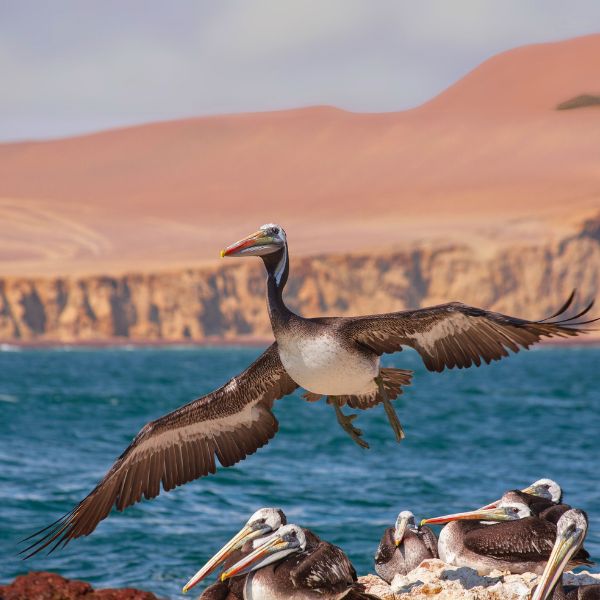
The Ballestas Islands are the other big reason people come to Paracas. They are a group of rocky islands off the coast, home to huge colonies of seabirds, sea lions and a small population of Humboldt penguins. Some people call them the poor man's Galápagos, and after the tour you will see why.
You visit them on a boat tour from the El Chaco pier. The trip lasts about two hours in total and boats do not land on the islands, they circle close to the rocks so you can watch the wildlife. Expect sea lions stretched out on the ledges, Peruvian boobies, cormorants and, with a bit of luck, penguins waddling near the water.
The Candelabro geoglyph
On the way out, the boat stops in front of the Paracas Peninsula to show you the Candelabro, a giant figure dug into the sandy hillside facing the sea. It is around 180 meters tall and nobody knows for sure who made it or why. If you like mysteries in the sand, it is a nice warm up for the Nazca Lines.
Tips for the boat tour
- Go early. Tours leave in the morning, when the sea is calmer. The wind usually picks up after midday.
- Check the sea conditions. The port authority can suspend departures when the sea is rough, so leave some flexibility in your plans.
- Sit on the side facing the islands and keep your camera ready. Things move fast on the water.
- Wear a hat. Thousands of seabirds overhead means you will be glad you did.
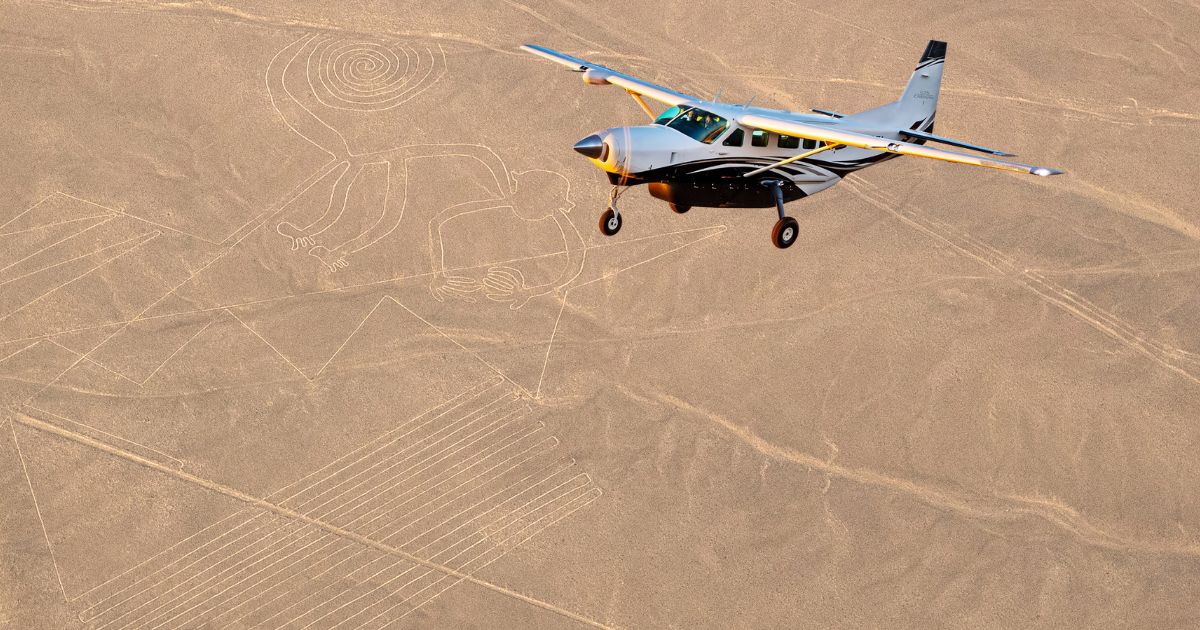
Fly over the Nazca and Palpa Lines from Pisco, then visit Playa Roja and the Paracas Reserve with lunch by the sea, all in one day from Lima.
FromUS$ 530per person
See detailsWhat to eat in Paracas
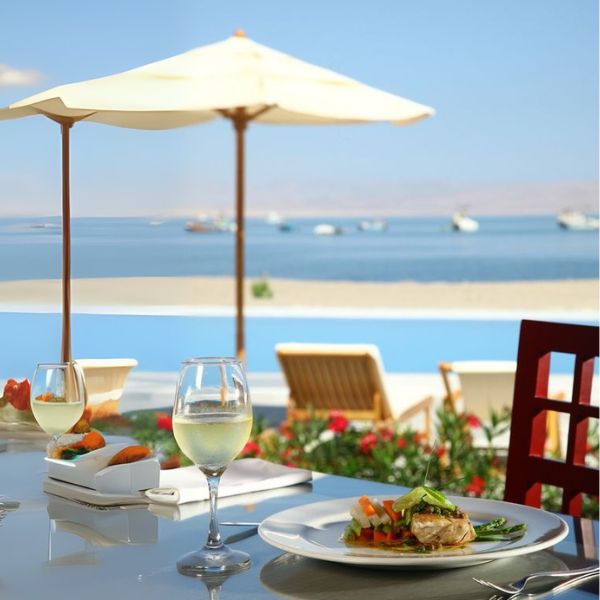
Paracas is a fishing town, so the rule is simple: order whatever came out of the sea that morning. Almost every restaurant on the waterfront and in Lagunillas serves some version of these classics.
- Ceviche: raw fish cured in lime juice with red onion, chili and sweet potato. Order it at lunch, when the fish is freshest.
- Tiradito: thin slices of fish in a spicy chili sauce, a close cousin of ceviche.
- Conchitas a la parmesana: scallops baked with Parmesan cheese, very popular on this stretch of coast.
- Chicharrón de pescado: crispy fried fish bites, perfect for sharing.
- Pisco sour: you are next to the town that gave its name to Peru's grape brandy, so a toast is almost mandatory (after your flight, of course).

If you have an extra day, the vineyards and pisco distilleries around Ica are close by, and so is the desert oasis of Huacachina. We cover it in our Huacachina guide.
How to combine Paracas with a Nazca Lines flight from Pisco
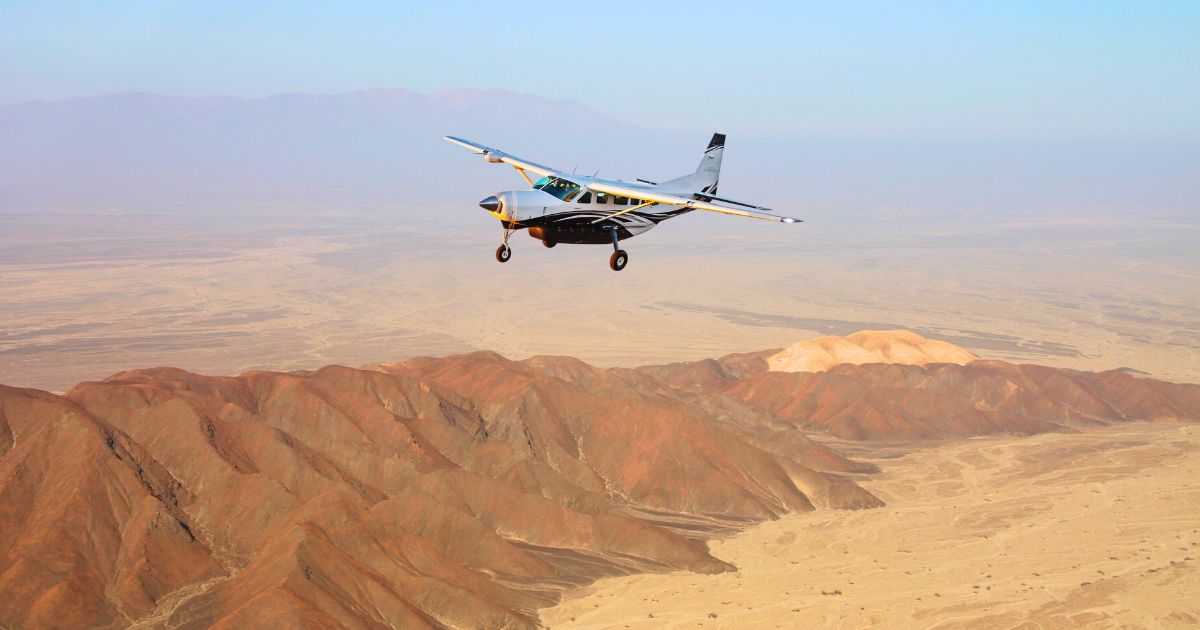
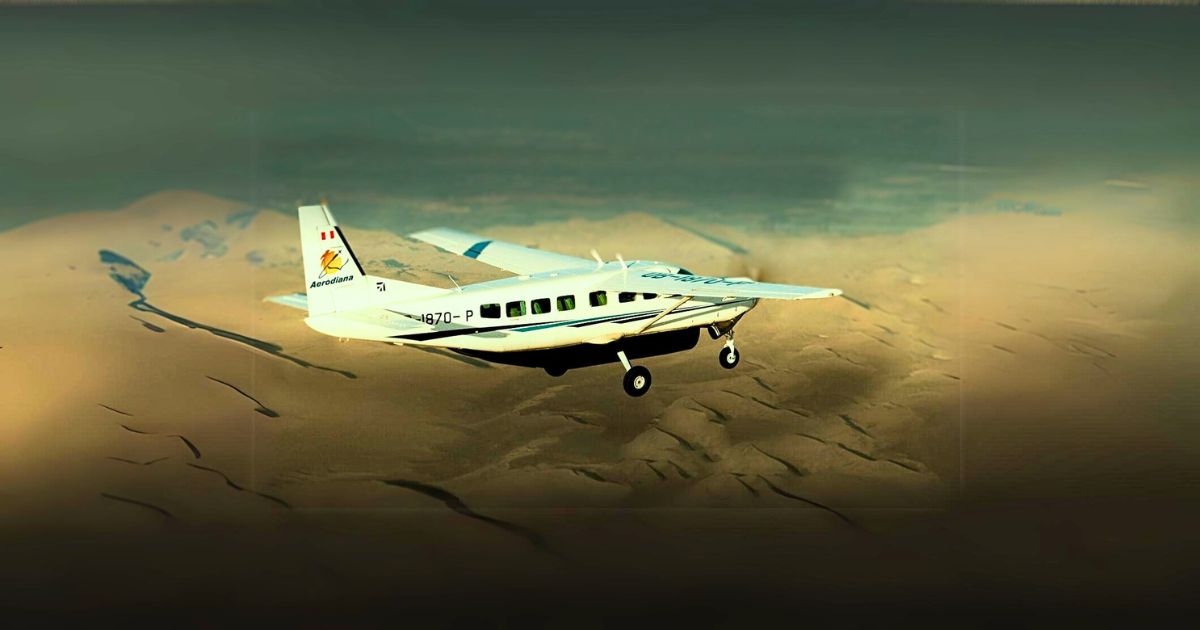
Here is the part many travelers miss: you do not have to drive all the way to Nazca to see the lines. Our flight from Pisco takes off from Pisco Airport, flies over the Nazca Lines and the Palpa geoglyphs and returns to Pisco. It lasts about 1 hour and 40 minutes, on a Cessna Grand Caravan where every seat has a window.
Since Pisco Airport is so close to Paracas, the two fit together easily. These are the most common ways to do it:
- One full day from Lima. Our Nazca Lines Paracas Day Trip picks you up at your hotel around 5:00 a.m., drives you to Pisco for the flight, then continues to Paracas Bay, Playa Roja and the reserve, with lunch overlooking the ocean. You are back in Lima in the evening.
- Stay one or two nights in Paracas. Take the Ballestas boat tour in the morning, book the flight from Pisco for the next day and spend the afternoons on the beach.
- Build a longer southern route. Add Huacachina with the Nazca Lines and Huacachina Day Trip, or keep it simple with the Nazca Lines Full Day Trip.
Nazca Lines Flight from Pisco Airport
Take off from Pisco, 20 minutes from Paracas, and see the Nazca and Palpa Lines from the air.
FromUS$ 350per person
See detailsWhen is the best time to visit Paracas?
It almost never rains in Paracas, so you can go any month. Summer (December to March) brings the warmest days, the most sunshine and the busiest weekends. From June to September mornings are cooler and often hazy, while the rest of the year sits in between.
Wind is the thing to watch. Afternoons are usually breezy all year, which is why the boat tours and the flights work best in the morning. Plan the active stuff early and leave the afternoon for the beach and a long lunch.
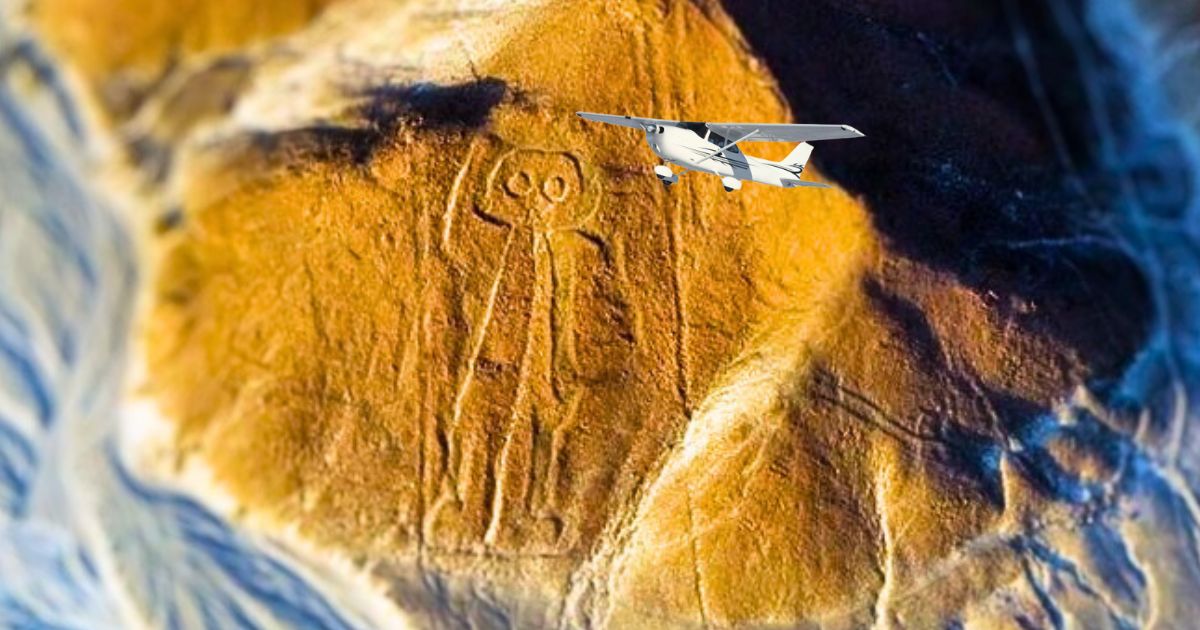
Still deciding whether the Nazca Lines belong on your list? Read why the Nazca Lines are worth the trip and then come back to plan your beach days.
Paracas FAQ
Can you swim at Playa Roja?
No. Playa Roja is a viewing beach and you enjoy it from the lookout above. For swimming, head to La Mina, a sheltered cove inside the same reserve. Keep in mind the water is cold all year.
Do the Ballestas Islands tours land on the islands?
No. Boats circle close to the islands so you can see sea lions, Humboldt penguins and seabirds, but landing is not allowed. The tour takes about two hours and leaves from the El Chaco pier in the morning.
Can I see the Nazca Lines and Paracas on the same day?
Yes. The Nazca Lines Paracas Day Trip includes hotel pickup in Lima, the flight from Pisco over the Nazca and Palpa Lines, a visit to Paracas Bay and the reserve, and lunch by the sea.
How far is Pisco Airport from Paracas?
About 20 minutes by car. That is why the flight from Pisco is the easiest way to see the Nazca Lines if you are staying in Paracas.
Is the Ballestas boat tour included in the day trip?
No. The day trip covers the flight, Paracas Bay, Playa Roja and the reserve. If you want to see the Ballestas Islands, the easiest plan is to stay a night in Paracas and take a morning boat tour.