Travel tips
The best time to visit Peru: seasons, regions and when to fly over Nazca
Peru has three climates in one country, so the best month depends on where you are going. Here is how the seasons work on the coast, in the Andes and in the Amazon, plus the best time to fly over the Nazca Lines.

In this article
Ask ten people when to visit Peru and you will get ten answers. The reason is simple: Peru has desert coast, high mountains and rainforest, and each one runs on its own calendar. A rainy week in Cusco can be a perfectly sunny week in Nazca.
So the real question is where you want to go and what you want to do. This guide breaks it down by region, then zooms in on the south coast, where we fly over the Nazca Lines almost every day of the year.
The short answer
- May to October is the dry season in the Andes. It is the classic time for Cusco, Machu Picchu and trekking.
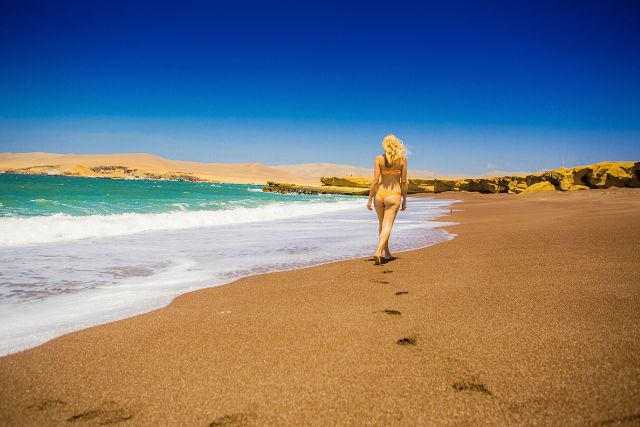
- December to March is summer on the coast. Expect sunshine, warm sea and busy beaches in Paracas and Lima.
- April, May, September and October are the sweet spot for most trips: good weather in most regions and fewer people.
- The south coast (Nazca, Ica, Paracas) gets very little rain at any time of year, so you can plan it for any month.
Peru's seasons by region
Peru sits in the Southern Hemisphere and close to the equator, so forget about four neat seasons. What really matters is dry season versus rainy season, and that changes as you move from the Pacific to the Andes and down into the jungle.
The coast: sunny summers, grey winters in Lima
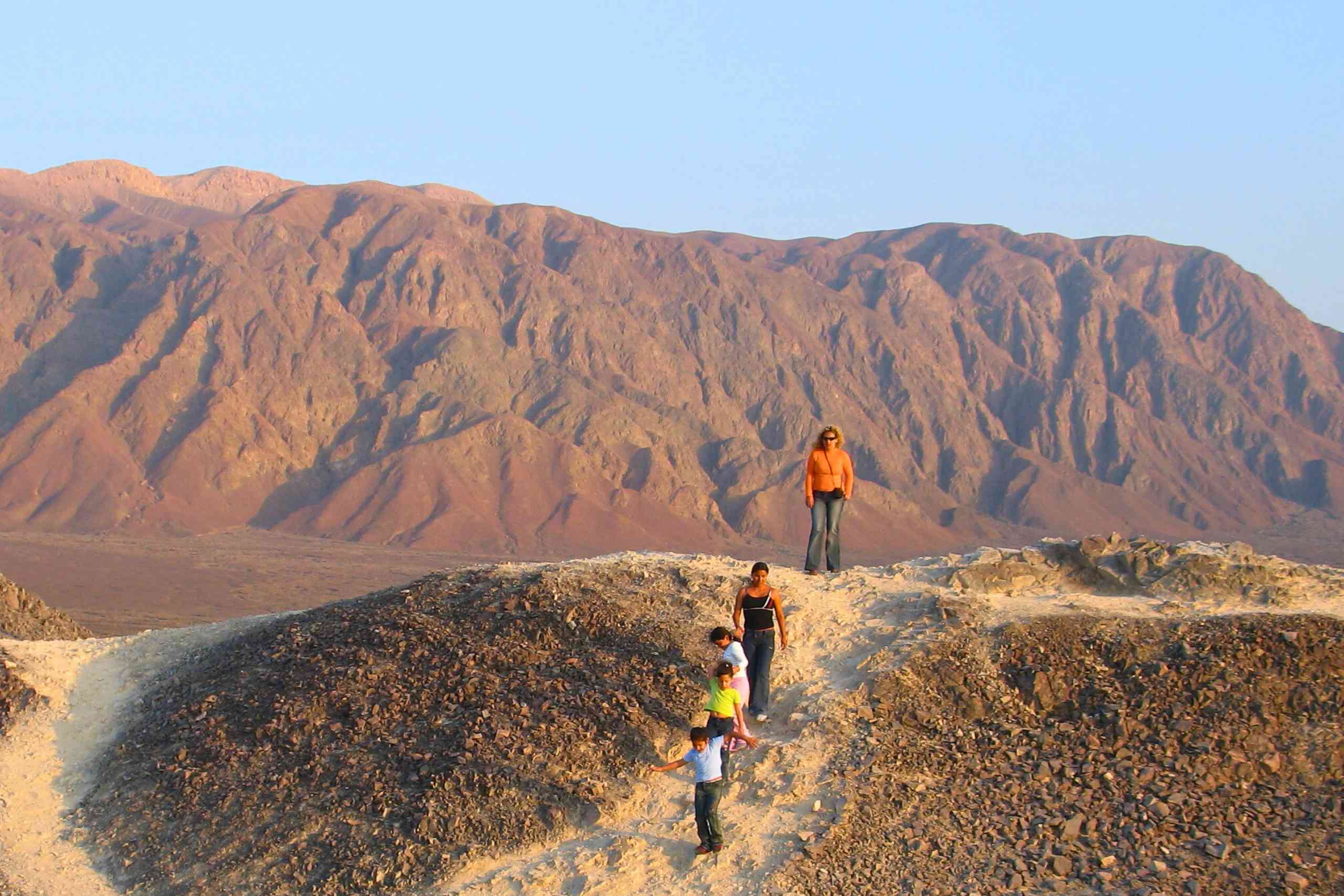
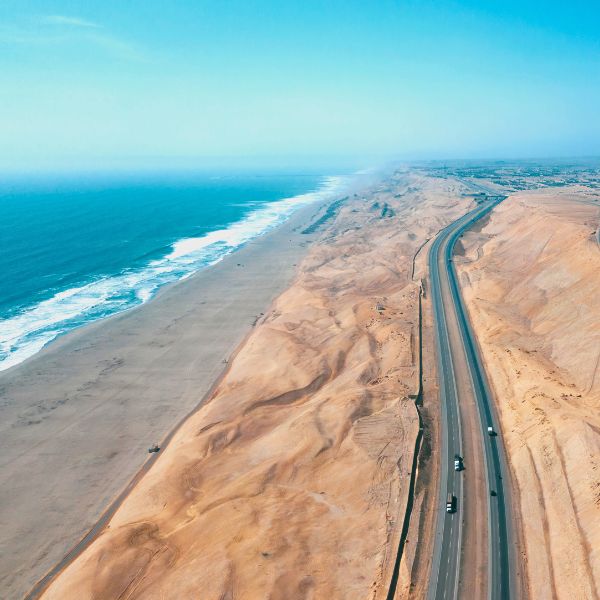
The coastal strip is desert, and it almost never rains there. Summer runs from about December to April, with hot sunny days and the best beach weather.
From June to September, Lima often sits under a low grey cloud layer and a fine mist that locals call garúa. It is cool rather than cold, just rarely sunny. Head a few hours south, though, and the picture changes: Paracas, Ica and Nazca usually get far more sunshine than the capital, even in winter.
The Andes: dry from May to October
In Cusco, the Sacred Valley, Arequipa and Puno, the dry season runs roughly from May to October. Days are sunny and bright, nights are cold (think close to freezing at altitude in June and July), and trails are in good shape.
The rainy season goes from November to March, with January and February the wettest months. Landscapes turn green and there are fewer visitors, but afternoon showers are frequent and some roads and trails get muddy. The Inca Trail closes every February for maintenance, so plan around that.
The Amazon: wet and a little less wet
The jungle is humid and green all year. From about June to October it rains less, trails are drier and wildlife tends to gather near the rivers. From December to May the rivers rise, which makes some areas easier to explore by boat.
Why the south coast works all year
Nazca, Ica and Paracas sit in one of the driest deserts in the world. Rain is rare, and when it happens it is usually brief. That is exactly why the Nazca Lines have survived for so long, and why this part of Peru fits into almost any itinerary.
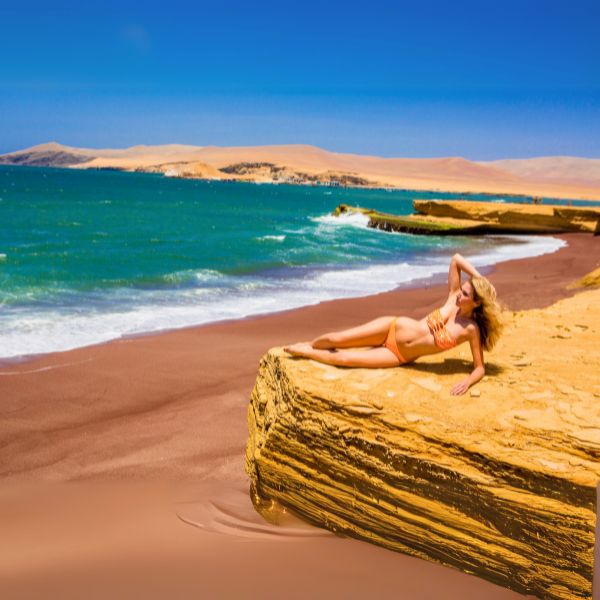
Summer (December to March) brings hot, clear days, perfect for the beaches of Paracas. Winter (June to September) is milder, with cooler mornings and afternoons that are usually sunny inland. The coast around Pisco and Paracas can be hazier in the early hours during those months, while Nazca, a bit further inland, is often clear.
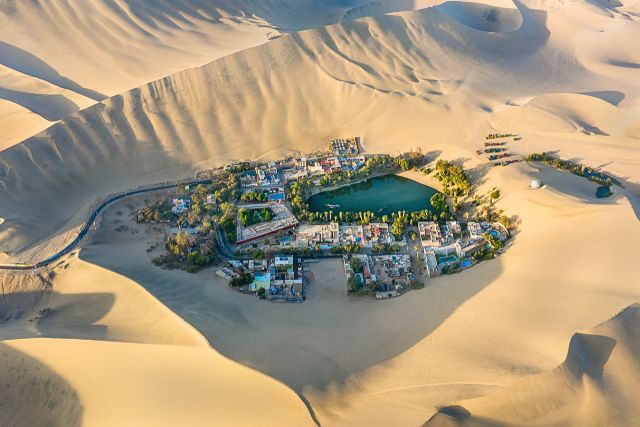
If you are putting together a south coast route, have a look at our guides to the Huacachina oasis and the beaches of Paracas. Both are easy to combine with a flight over the lines.
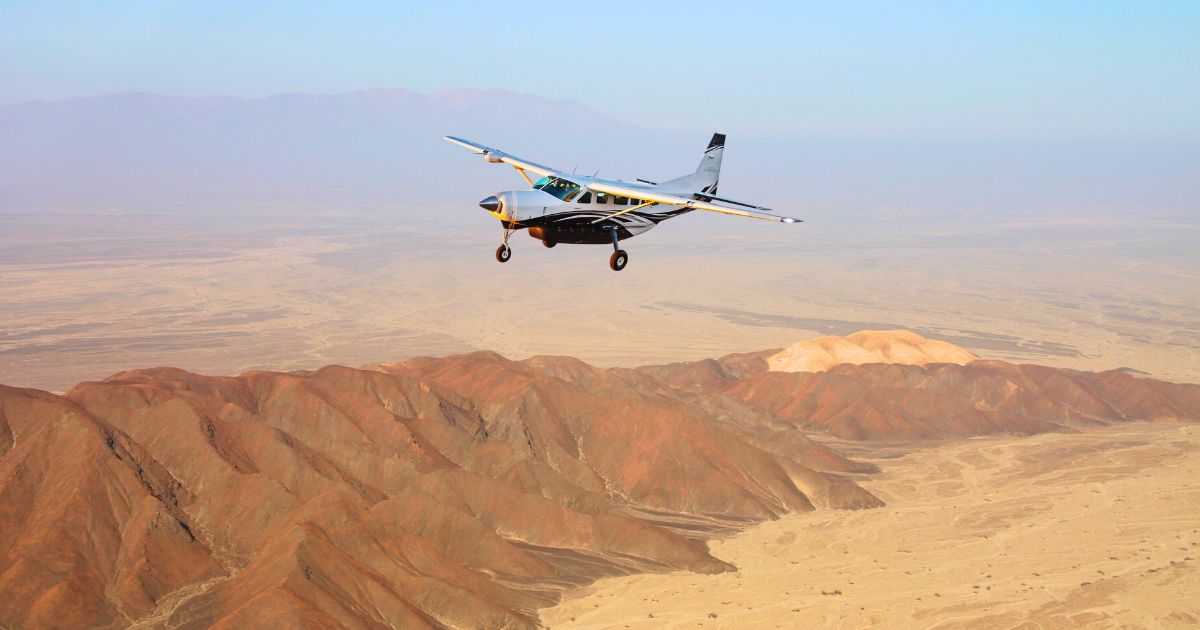
Fly over the Nazca Lines from Pisco and finish the day in Paracas, all in one trip from Lima.
FromUS$ 495per person
See detailsBest months to fly over the Nazca Lines
Good news first: flights over the Nazca Lines run all year. Since rain is so rare, the main things that affect a flight are wind and visibility, and both depend more on the time of day than on the month.
- Mornings are best. The air is usually calmer early on, so the flight feels smoother and the figures look sharper. Wind tends to pick up after midday.
- Summer (December to March) brings bright light and clear skies over the pampa. It is also warm on the ground, so pack water and a hat.
- Winter (June to September) is a great time too. Early haze can delay departures now and then, especially on flights that take off from the coast, so keep your schedule a little flexible.
- Weather calls are always about safety. If conditions are not right, the flight is rescheduled or refunded, as explained on each flight page.
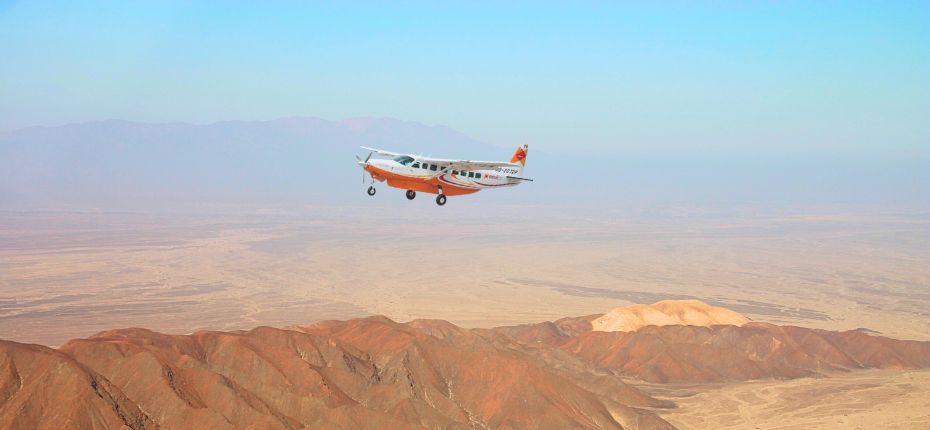
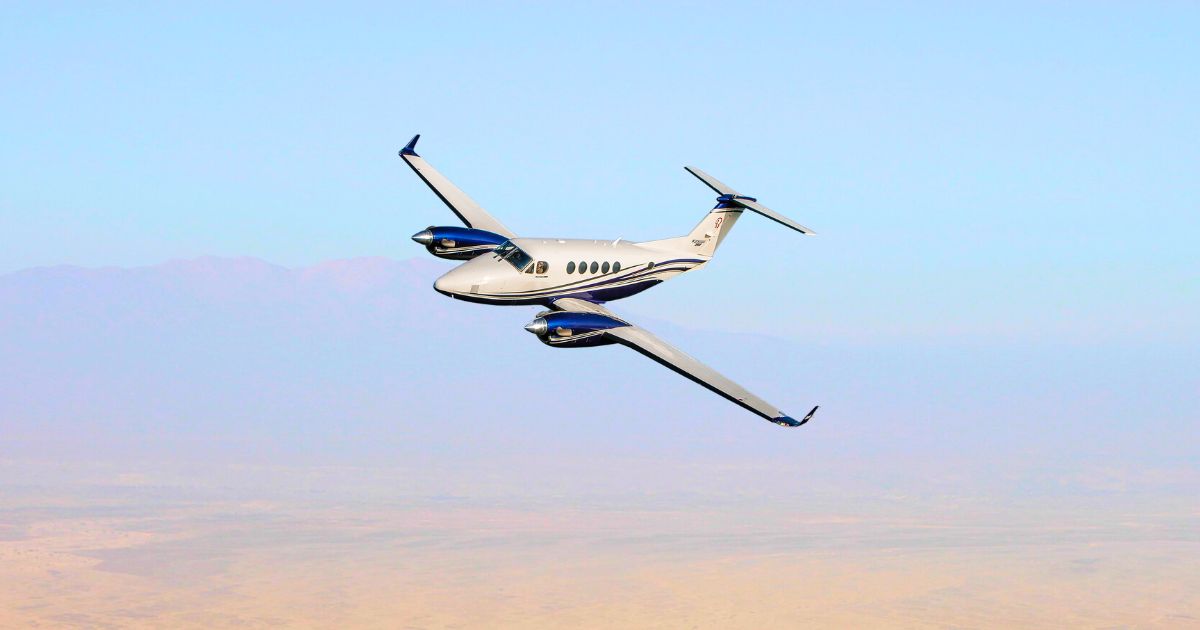
Short on time? The flight from Nazca airport takes about 35 minutes over the main figures. If you are starting from further north, you can fly from Ica or Pisco instead, or even do the whole thing in one day with the flight from Lima.
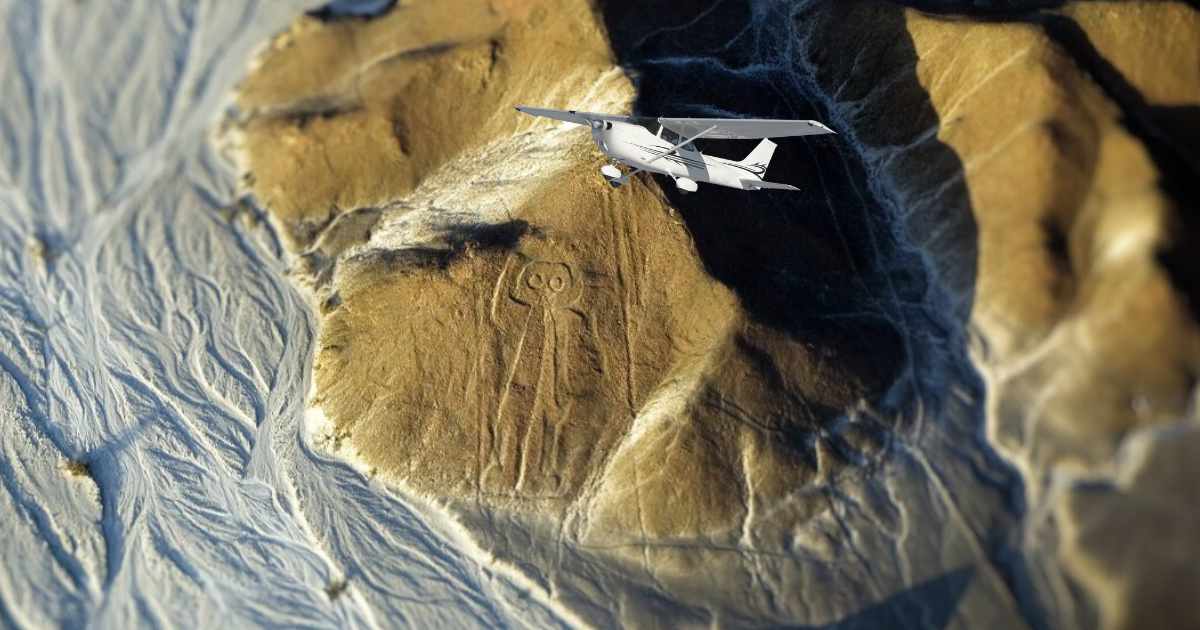
Nazca Lines Flight from Nazca Airport
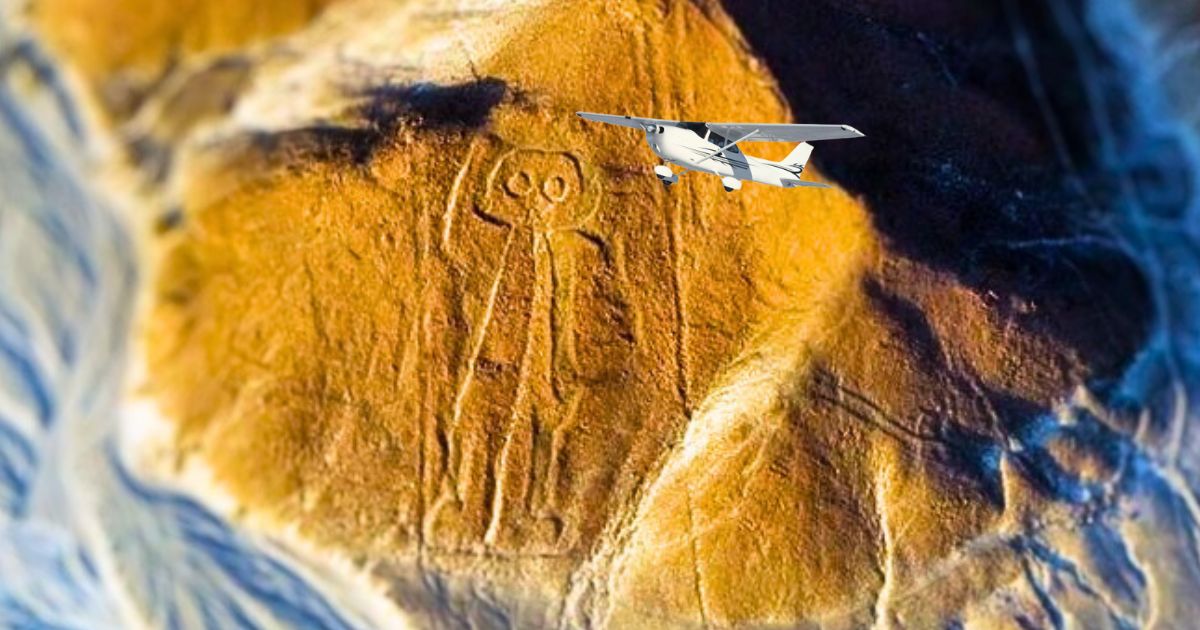
Our most popular flight: about 35 minutes over the Hummingbird, the Monkey, the Astronaut and more.
FromUS$ 100per person
See details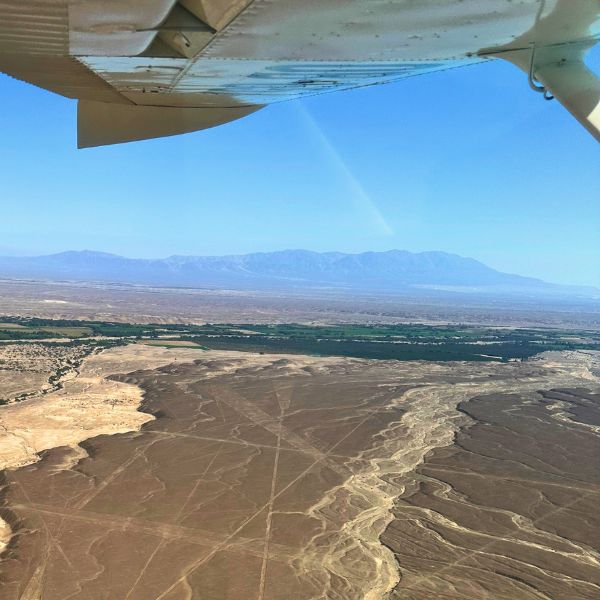
Want to know what you will actually see up there? Our guide on how many Nazca Lines there are covers the main figures, and why the Nazca Lines are worth the trip explains the rest.
Festivals worth planning around
Peru has a packed festival calendar. Some events are great reasons to go, others simply mean higher prices and fuller buses. Here are the big ones:
- Carnival (February): water fights in many towns. In Puno, the Virgen de la Candelaria festival fills the streets with music and costumes in early February.
- Grape harvest festival in Ica (March): the Vendimia celebrates wine and pisco season, with parades and tastings in the wine country right next to Huacachina.
- Easter week (March or April): a national holiday. Peruvians travel a lot, and coastal towns get busy.
- Inti Raymi (24 June): the Inca festival of the sun in Cusco. Beautiful, but Cusco is at its busiest and most expensive.
- Fiestas Patrias (28 and 29 July): Peru's independence days. Long weekend, lots of domestic travel, and Paracas and Ica fill up.
- Christmas and New Year: popular beach time on the coast, with higher prices in Paracas.
Crowds and prices: high, low and shoulder season
High season for international travel is June to August, when the Andes are dry and many travelers are on summer holidays. Machu Picchu tickets and Inca Trail permits can sell out weeks or months ahead, and hotels in Cusco cost more.
The coast has its own peak from late December to February, when Peruvian families head to the beach. Paracas and Huacachina are lively then, especially on weekends.
Shoulder season (April, May, September and October) is our favorite. The Andes are mostly dry, the south coast is sunny, and you share the sights with fewer people. Low season (roughly November to March in the Andes) brings the best hotel deals, as long as you accept some rain in the mountains.
The Nazca Lines do not have a bad month. Pick your dates for the rest of Peru, then fit Nazca in wherever it suits you.
Nazca Lines Flights
How to fit Nazca into your trip
Most travelers pair the south coast with Lima at the start or end of their trip. If you only have one free day, a full day tour from Lima covers the drive, the flight from the Nazca airfield and the ride back. With two or three days, stay a night in Paracas or Huacachina and take it slow.
You can compare every option on our flights page and in our day trip packages.
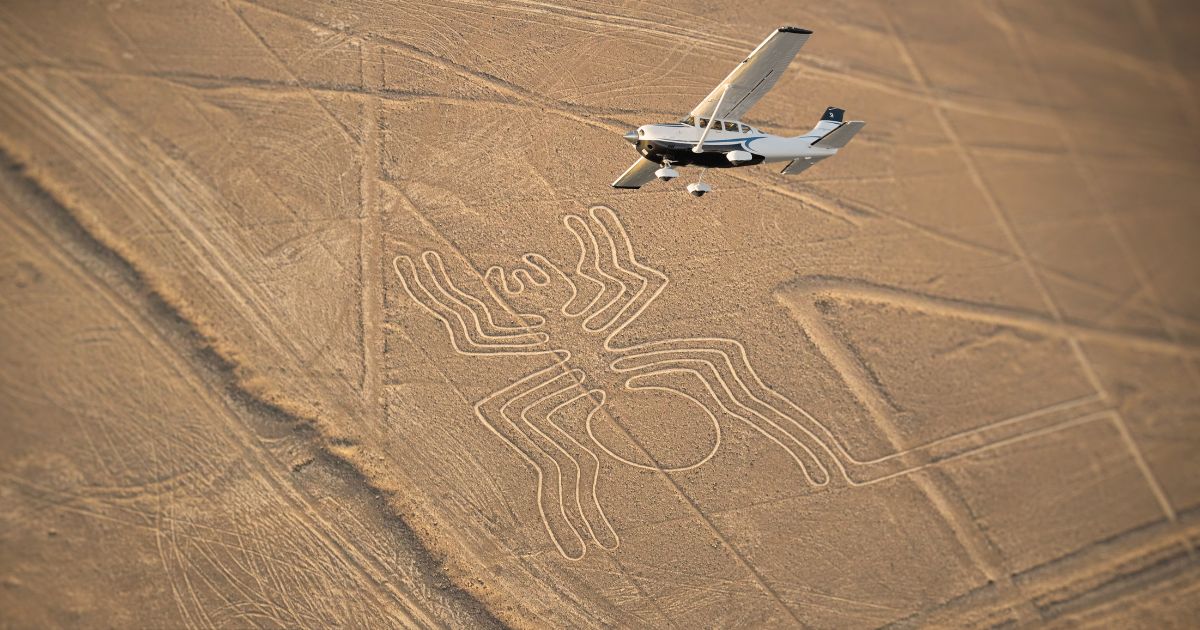
Nazca Lines Full Day Tour from Lima
Land transfer from Lima, the flight from the Nazca airfield and the return trip, all in one day.
FromUS$ 375per person
See detailsFrequently asked questions
What is the best month to visit Peru?
For a classic trip with Cusco and Machu Picchu, May, June, September and October are hard to beat: dry in the Andes and sunny on the south coast. If you want beach time on the coast, go for January to March.
Can I fly over the Nazca Lines in the rainy season?
Yes. The rainy season affects the Andes, not the Nazca desert, where rain is rare all year. Flights run in every month, and mornings usually offer the calmest air. See the flight from Nazca for details.
What is the weather like in Nazca in winter?
Mild and dry. Days are usually sunny and pleasant, while early mornings and nights are cooler, so bring a light jacket. The coast near Pisco and Paracas can be hazier in the morning during those months.
When is Peru least crowded?
Outside the June to August peak and the big holidays. April, May, September and October are a good balance, and November and early December are quiet too, apart from some rain starting in the Andes.